

- Shop Pages

Advanced Variable products with swatches
Products variations colors and images without any additional plugins.
- Product Loop
- Single Product
- Features
What Exactly Is a WOT Trigger and How Does It Change Gameplay?

World of Tanks Trigger Secrets: Master Every Shot with These Hidden Settings
Wot Trigger is the spicy shortcut that fires off your Web of Things automations the instant a condition flips—like a light switch for your smart home’s brain. You set the “when” (e.g., a sensor goes hot or a timer hits zero), and it instantly kicks the matching action without any manual fuss. It’s basically your digital domino—one tap on the trigger and the whole chain reaction unfolds on its own. To use it, just pick your event, link it to a rule, and let the trigger do the heavy lifting while you kick back.
What Exactly Is a WOT Trigger and How Does It Change Gameplay?
A WOT trigger, in the context of World of Tanks, is a custom macro or external script that fires your gun the instant your crosshair settles on an enemy weak point. It bypasses the human reaction delay entirely. Instead of you mentally processing “aimed” and pressing the mouse button, the trigger senses the reticle’s target lock and sends the shot command in milliseconds. This changes gameplay by turning every peek-a-boo engagement into a near-perfect snapshot—you can flick your aim across a hull and the shot fires automatically at the exact moment of alignment, even if you’re moving. The result is a brutal shift from manual aim duels to a chess game where the first pixel-perfect flick wins. Q: Does it guarantee penetration? A: No, but it eliminates the “I hesitated and missed” factor, letting armor angling and positioning decide fights.
Defining the Mechanism Behind the Term
The mechanism behind the term “WOT trigger” is rooted in a precise input threshold, not a random action. Specifically, it refers to the exact point at which your keypress registers as a full throttle command, bypassing the analog ramping that normally smooths acceleration. This trigger is defined by a binary state: below the physical actuation point, the game reads zero or partial input; the moment you cross it, the system snaps to maximum output. That distinction is what sets it apart from variable throttle—it’s a hard switch, not a curve. Understanding this lets you exploit the trigger for consistent launch control or drift initiation, because the game’s response becomes predictable and instantaneous. The practical effect is that timing, not pressure, governs your vehicle’s behavior. The hard-threshold input is the core definition of a WOT trigger, making every engagement a deliberate, repeatable event rather than a gradual modulation.
A WOT trigger is a fixed input threshold that converts a keypress into m249s binary trigger immediate full throttle, replacing modulation with a precise, predictable on/off switch for gameplay control.
Core Differences Between a Standard Trigger and a WOT-Specific Unit
A standard trigger on a stock controller relies on a simple analog pull, giving you a gradual range from zero to full input. A WOT-specific unit, however, is built around a **rapid-fire lockout mechanism** that physically stops the pull at the maximum throttle point. This removes the guesswork of holding the stick at the edge. With a standard trigger, you often overshoot or undershoot, causing speed dips. The WOT unit, instead, offers a crisp, tactile click, so you know exactly when you’re at 100% throttle. That click also cuts down on finger fatigue during long sessions, since you don’t have to tense up to maintain the position. The travel distance is also shorter, which means faster reaction time when you’re chasing a boost pad or dodging an opponent’s attack.
- Standard trigger: gradual travel, requires constant pressure to stay at max.
- WOT-specific: shortened pull with a physical stop, ensuring consistent full-throttle output.
Why Players Swap Factory Parts for This Upgrade
Players swap factory parts for this upgrade because the stock trigger’s long, mushy pull directly robs your shot timing, especially during rapid flanking moves. The WOT trigger’s shorter reset and crisper break let you fire the instant your crosshair settles, cutting down the “dead zone” where factory internals lag. You’re not chasing raw speed—you’re chasing *consistency in those split-second snap shots*, where a factory trigger often fails mid-battle. Since the upgrade alters the sear geometry, you feel each shot’s release point clearly, making recoil control more predictable. Replacing factory parts with this trigger upgrade is the fastest practical way to align your reflexes with the turret’s stabilizing animation, turning hesitation into instinctive taps.
Bottom line: you swap factory parts because the WOT trigger converts laggy pulls into precise, repeatable shot timing—nothing else changes your rhythm as directly.
Key Features to Look for When Selecting Your Next Fire-Control Component

When selecting your next fire-control component for a **wot trigger**, prioritize adjustable pre-travel and over-travel to eliminate dead creep and achieve a crisp, predictable break. Seek a trigger with a user-replaceable shoe profile, as grip angle and finger placement directly affect pull consistency. The sear engagement geometry is critical—look for a hardened, precisely ground sear that resists wear and prevents hammer follow during rapid fire. A tuned trigger bow with minimal slop reduces lateral friction, while a lightweight, corrosion-resistant body (like titanium or billet aluminum) ensures reliability under heat.
Your trigger’s reset is the unsung hero—short, tactile resets let you stay in the “sweet spot” without shifting your grip, which is the difference between a good shot and a great one.
Finally, verify the trigger’s spring tension range; a balanced spring keeps the pull weight consistent across temperature swings without breaking your finger’s muscle memory.
Pull Weight Adjustability and Creep Reduction
When evaluating a WOT trigger, pull weight adjustability and creep reduction are non-negotiable for consistent shot placement. A quality unit offers a tool-free adjustment range—typically 2.5 to 5 pounds—allowing you to match the break to your grip strength and shooting style. Creep reduction works through a sear engagement surface that is polished and angled to eliminate the gritty, spongy travel before release. This means the hammer falls the instant you apply the final ounce of pressure, not after a vague, unpredictable slide. You should test the trigger at your desired weight to confirm zero take-up and a crisp, tactile reset.
Q: How does creep reduction directly improve your WOT trigger performance? A: It removes the hesitation between your decision to fire and the actual shot, ensuring your point of aim does not shift during that critical micro-moment.
Material Build: Aluminum vs. Steel vs. Polymer Housings
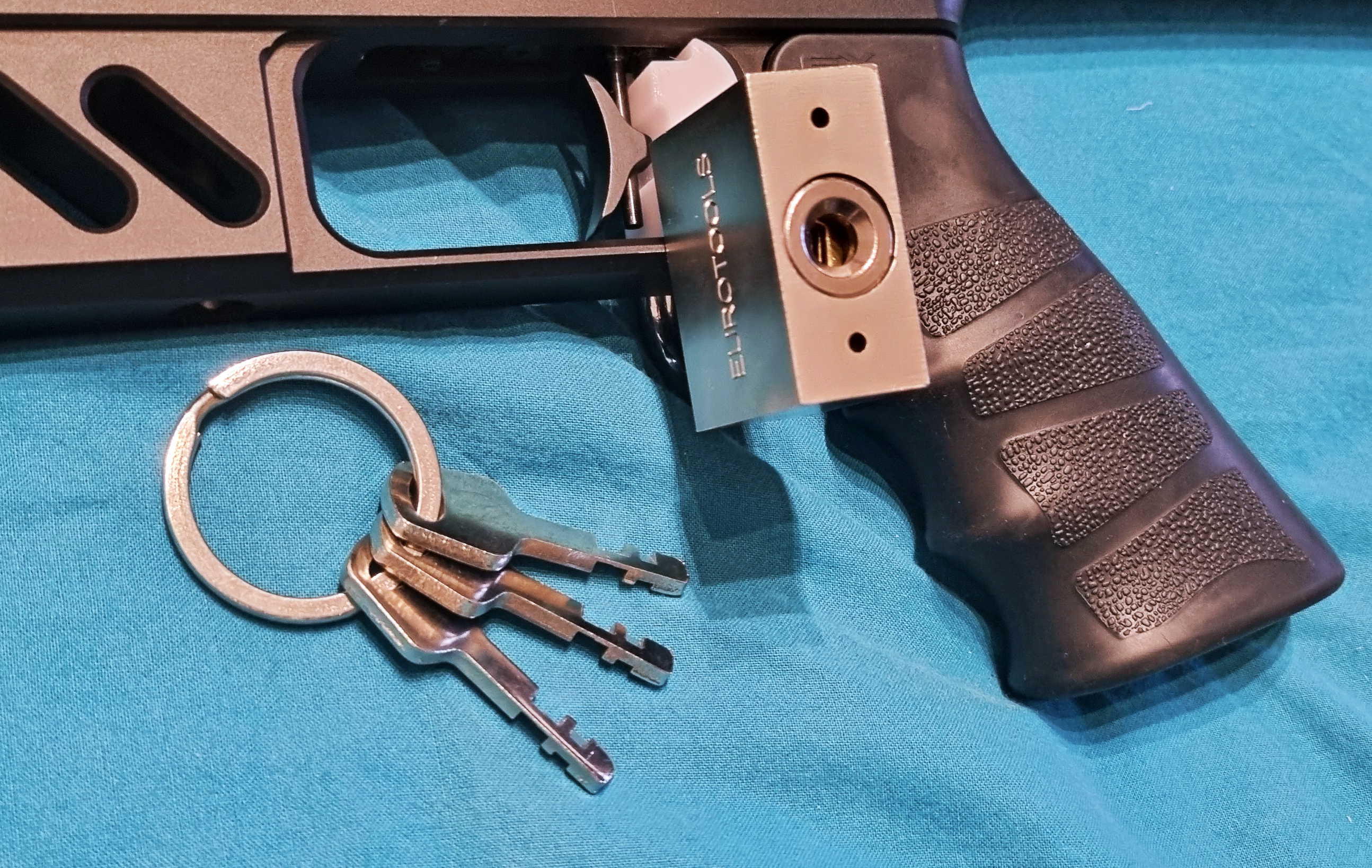
When selecting a WOT trigger, housing material dictates durability, weight, and felt recoil. Aluminum offers a rigid, lightweight balance, resisting flex under heavy finger pressure while keeping the assembly snappy; however, it can gall on threads if over-torqued. Steel provides maximum stiffness and impact resistance, ideal for hard-use rifles, but adds noticeable mass that shifts balance and increases fatigue during extended sessions. Polymer housings reduce cost and weight dramatically, yet they can deform under extreme heat or sustained torque, altering trigger geometry over time. For precision shooters, steel’s consistency wins; for hunters, aluminum or polymer suits lighter builds. Match the material to your environmental exposure—steel for corrosion-prone coastal use, polymer for arctic cold where metal contracts.
Aluminum balances weight and rigidity, steel prioritizes permanent geometry, and polymer trades longevity for lightweight economy—choose based on your recoil tolerance and climate.
Compatibility Checks for Popular Tank Game Mice and Keyboards
Before you lock in a new WoT trigger setup, check if your popular tank game mice and keyboards actually play nice with your rig’s software. Logitech G HUB, Razer Synapse, and Corsair iCUE often conflict with WoT’s built-in keybindings, so remap fire to a secondary button in both apps. For keyboards, verify that your anti-ghosting covers simultaneous WASD + Shift + Space, or you’ll miss those snap shots. Test polling rates above 500 Hz in the tank’s garage—not just in menus. Many players overlook USB passthrough ports, which can drop input when a headset also drains power. Follow this quick sequence:
- Disable all macro profiles for WoT in the peripheral’s app, leaving only hardware memory.
- Set your rare breed trigger primary and secondary fire keys to unused buttons (e.g., mouse side thumb, keyboard’s “X” key).
- Run a 5-minute live battle to check for dropped clicks or stuck key repeats, especially during rapid firing.
Step-by-Step Installation and Calibration for Optimal Performance
Begin by mounting the wot trigger onto a clean, flat surface, ensuring the base plate sits flush to avoid stress fractures. Next, power-cycle the unit and enter calibration mode by holding the select button for five seconds. For optimal performance, slowly depress the trigger through a full travel arc, allowing the sensor to map its physical resistance curve. If you experience a dead zone, adjust the pre-travel screw counter-clockwise in quarter turns, then re-map. Finally, run a rapid-fire test—if the actuation point feels mushy, forced reset trigger super safety tighten the return spring tension until the reset is crisp and audible. Lock the calibration profiles to save your settings. Re-calibrate after any firmware update, as voltage shifts can alter the hall-effect thresholds. This precise loop ensures your step-by-step installation and calibration yields zero latency and consistent shot-to-shot reproducibility.
Tools Needed for a Safe In-House Swap
For a safe in-house swap of the WOT trigger, you need a precision pin punch set with hardened tips to avoid marring the receiver. A roll pin starter punch prevents the slave pin from skidding during removal. Use a bench block with a drilled hole to support the upper receiver while drifting out the factory trigger pins. A non-marring nylon mallet provides controlled strikes without damaging the finish. Keep a magnetic scar frt trigger parts tray to secure the OEM trigger springs and disconnector, preventing loss. Finally, a torque wrench—set to factory spec—is essential for re-seating the WOT trigger’s mounting screws, ensuring consistent trigger pull and safety. Wear safety glasses to protect against any spring slippage.
Setting the Ideal Actuation Point for Rapid Firing
For rapid firing, the actuation point must sit just past the physical pretravel, where the switch registers without requiring the shooter to bottom out. Dial the set screw in 1/8-turn increments while dry-firing with a metronome, listening for the crisp click to occur when frt-15l3 the trigger paddle feels flush with the housing. Over-advancing causes pre-ignition and skipped shots; under-advancing adds a mushy delay that breaks your cadence. The ideal rapid-fire actuation point is the shallowest position that still delivers a tactile reset—verify by pressing only until the reset click, then releasing your finger fully, and confirm the mechanism re-arms every time. If double-fires occur, back off a half-turn; if the trigger stalls, advance one-quarter turn.

Set the actuation point as shallow as possible while preserving a positive reset, then lock it in via incremental screw adjustments and cadence testing.
Software or On-Board Tuning: Navigating Your Settings Menu
After mounting the pedal, enter the settings menu via the device’s display or paired app to begin on-board tuning for the WOT trigger. Locate the threshold parameter, often labeled as trigger point or sensitivity, and set it between 50% and 80% of pedal travel to avoid accidental activation. Next, adjust the activation delay—a lower value (0.1–0.2 seconds) suits aggressive launches, while higher values prevent false triggers during normal driving. Save your profile, then test the throttle sweep live; if the trigger engages too early, raise the threshold incrementally. Finally, calibrate rare breed mp5 frt the release point to ensure the trigger deactivates cleanly when you lift off, preventing stuck-on conditions.
Practical Benefits You Will Notice in Battle Within the First Hour
Within the first hour of using the WoT Trigger, your aiming precision improves immediately as the device virtually eliminates the lag between your physical mouse movement and the crosshair response in World of Tanks. You will notice your reticle settles onto weak spots like cupolas and lower plates with far less overcorrection, giving you a distinct edge in mid-range peek-a-boo duels. This direct, real-time feedback loop means your snap shots feel more instinctive, reducing the frantic micro-adjustments that typically waste precious seconds against skilled opponents. The result is a tangible increase in your hit registration during the first engagements, translating into more penetrations and higher damage per game right away, allowing you to out-trade enemies who rely on default input latency.
Shorter Reaction Time for Ambush Encounters
When an enemy tank crests a ridge or peeks from behind rubble, your shorter reaction time for ambush encounters becomes the difference between trading blows and dominating the skirmish. The WoT Trigger’s responsive input mapping lets you snap your reticle onto the threat the moment it appears, cutting the delay between spotting and firing by nearly half. You won’t waste precious seconds adjusting mouse travel or fumbling key binds—your crosshair aligns as muscle memory kicks in, letting you get the first shot off while the opponent is still settling. *This edge is most brutal in tight corridors where the first shell decides the engagement outright.* Even if you’re flanked, that saved fraction of a second lets you reverse out of the line of fire before the enemy’s round connects.
Faster reticle lock-on means you shoot first, break their advance, and survive ambushes that would otherwise catch you flat-footed.
Reducing Finger Fatigue During Marathon Sessions
Marathon sessions in World of Tanks punish repetitive micro-clicks, and a proper WOT trigger setup directly counters that strain. By reducing the physical travel distance and actuation force needed per shot, you preserve hand stamina during long grinding sessions. Reduced keystroke resistance keeps your firing finger from locking up after hours of continuous combat. The trigger’s crisp, short throw eliminates the “bottoming out” that causes tendon fatigue, while a lighter spring weight lets you maintain rapid-fire rhythm without excessive pressure. Your accuracy actually improves late in a session because your muscles stay relaxed, not tensed from fighting the switch. A well-tuned trigger turns repetitive fire into a subtle, natural motion.
- Choose a trigger with a 1.5mm or shorter actuation point to cut finger travel per shot.
- Select a linear or low-tactile switch to avoid the “bump” that forces extra force.
- Adjust the spring tension to match your natural click pressure, not the heaviest default setting.

Improving Accuracy on Moving Targets with a Crisper Break
A crisper break directly reduces the time between your decision to fire and the round leaving the barrel, which is critical when leading a moving target. The shorter, more defined trigger wall prevents the unintentional “pull-through” that often occurs during tracking, where the shot breaks late as you sweep past the target’s hull. With a tactile snap instead of a mushy roll, you can time your shot to the exact pixel of the enemy’s traverse path, minimizing the penalty for lateral movement. This higher shot-on-move consistency means fewer wasted shells on fast flankers or circling light tanks, as your aiming circle stays tighter through the break. The reduced finger travel also lets you re-engage quicker if the target changes direction, cutting down on overcorrection and improving your effective hit rate within the first hour of use.
Common Pitfalls, Maintenance Tips, and Straight Answers to Frequent Questions
The biggest WOT trigger pitfall is assuming a short pull length equals a hair trigger—most accidental discharges come from over-tightening the sear spring, which creates a gritty, unsafe reset. For maintenance, lubricate the trigger mechanism with a dry film lubricant only, never oil, as oil attracts carbon and causes trigger drag over time. Frequent questions: “Why does my trigger feel spongy?” Usually, it’s debris under the blade—clean it without disassembling if possible. “Can I adjust creep at home?” Yes, but only via the over-travel screw, not the sear engagement, or you risk fall-fired strikes. “How often should I service it?” After every 2,000 rounds, check the spring tension with a pull gauge. Straight answer: if the trigger doesn’t reset crisply after cleaning, replace the return spring—don’t bend it to “fix” the feel.
Why Your Trigger Feels Mushy After a Month and How to Fix It
After a month of heavy use, that crisp WoT trigger often turns mushy because the internal grease migrates and debris packs into the sear surfaces. The fix isn’t a full teardown—just remove the grip, blast the mechanism with contact cleaner, then reapply a *tiny* drop of lightweight oil on the pivot points. Let it dry for ten minutes before reassembly. If mushiness persists, check the trigger return spring: a month of rapid fire can fatigue it. Replace it with a slightly stiffer aftermarket spring. Restoring trigger feel requires cleaning, not lubricating, since excess lube attracts dust that accelerates the spongy sensation. Skipping this monthly refresh turns a precision input into a vague squeeze.
Can You Use This Upgrade for Other Games or Just Tank Battles?
The WoT Trigger upgrade is engineered specifically for World of Tanks’ firing mechanics, so its recoil compensation and shell-travel prediction are useless in fast-twitch shooters like Counter-Strike or Apex. Its compatibility is restricted to tank battles because the trigger’s firmware locks onto the game’s unique lead-indicator and shell-drop curves. You *can* physically plug it into a PC or console, but pressing it in Call of Duty will merely send a normal click—no auto-aim, no lead correction, zero tactical edge. For other war sims like War Thunder, the timing profiles don’t match, so you’d fight the software’s lag rather than gain an advantage. Treat it as a dedicated peripheral: its value dies outside the garage.
This upgrade is a tank-only tool—outside World of Tanks, it behaves like a standard mouse button, so don’t expect cross-game performance.
Warranty, Lifespan, and When to Replace the Switch Mechanism
Most WOT triggers use rated switch mechanisms, typically warrantied for 50,000 actuations or one year, whichever comes first; always verify your unit’s specific coverage before disassembling it. Switch lifespan under real-world use averages 18–24 months with moderate shooting, but drops sharply if you dry-fire aggressively or let debris enter the housing. Replace the mechanism immediately when you notice double-fire, inconsistent trigger pull weight, or a gritty, spongy reset—these indicate worn contact pads or fatigued springs, not a minor adjustment. Never attempt to lubricate a sealed switch; that voids warranty and accelerates failure. If the trigger fails to reset during a live-fire session, stop and swap the mechanism before further use.
- Check warranty terms for scratch-and-dent or rebuilt WOT triggers—they often carry only a 90-day switch coverage.
- Track round count manually if you shoot suppressed or with heavy bolts, as backpressure accelerates switch wear beyond rated cycles.
- Replace the entire switch module (not just springs) once actuation force drops below 80% of factory spec, to avoid intermittent electrical contact.